Your business requires regular cleaning scheduled according to risk factors, operational volume, allergen concerns, and health inspections, plus documented records demonstrating HACCP compliance, regulatory audits, and government health requirements. The information below detail essential sanitation program components.
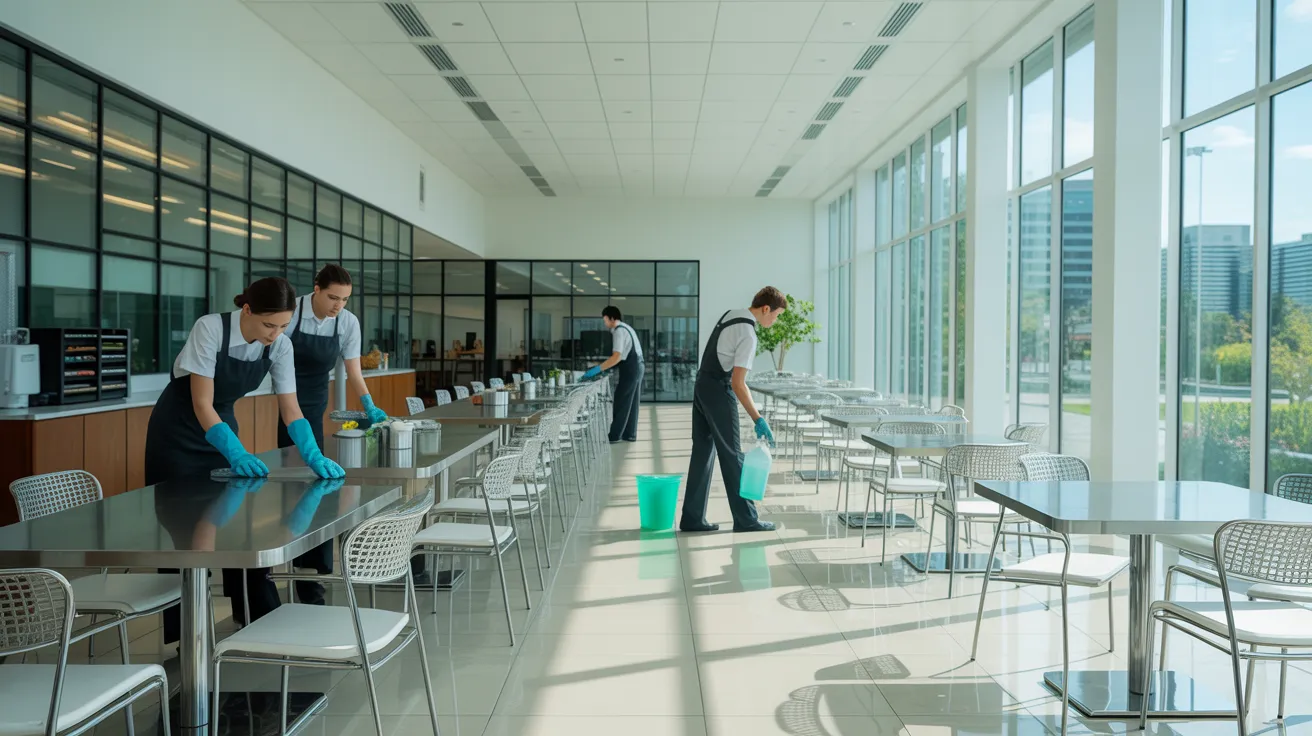
Key Takeaways
- Brampton's sanitation specialists maintain restaurants, grocery departments, commissaries, warehouses, bakeries, schools, mobile vendors, and allergen-sensitive operations.
- Sectional methods clean frequently contacted areas, food-contact equipment, kitchens, floors, drains, restrooms, and storage areas for reducing cross-contamination.
- Qualified providers verify proper chemical concentration, suitability, and exposure duration, then record finalization with tests, inspections, and remedial documentation.
- Maintenance timelines need to comply with threat, throughput, format changes, accidents, and requirements, with routine, periodic, and seasonal duties designated by section.
- Emphasize suppliers exhibiting HACCP, public-health expertise, safety training training, protection, credentials, color-categorized equipment, and inspection-ready maintenance files.
Which Brampton Facilities Need Food Safety Cleaning?
Any Brampton facility that handles, stores, prepares, packages, or serves food needs hygiene cleaning. You must follow it if your facility falls under health inspection, premises standards, or HACCP protocols. That requirement covers dining establishments, break rooms, food warehouses, market sections, butcheries, seafood areas, retail shops, and facility kitchens.
You'll also need compliant food safety cleaning in storage centers, processing facilities, refrigerated warehouses, bakery retailers, school nutrition programs, event halls, and delivery centers. Portable business models matter as well, including mobile kitchens, market vendors, and seasonal booths. Should your employees work with ingredients, section ready-to-serve foods, heat meals, or keep allergens stored, your establishment requires documented cleaning protocols. In Brampton, hygiene remains required; it comprises lawful, operational, and customer protection standards.
Which Areas Do Brampton Cleaning Experts Cover?
You require experienced cleaning professionals who sanitize frequently touched areas, kitchen spaces, flooring, and restroom facilities to maintain food safety and public health requirements. These areas are targeted due to their high cross-contamination potential, slip and fall dangers, and health code violations.
By knowing exactly what gets cleaned, you are able to confirm your facility's cleaning procedures satisfy all operational and regulatory requirements.
High-Touch Surface Cleaning
structure sterilization schedules according to usage patterns, exposure levels, and facility operations.
when findings are outside required thresholds. They also reduce cross-contact by swapping wipes, using directional cleaning patterns
Kitchens, Floors, and Restrooms
Brampton cleaning services focus on kitchens, floors, and restrooms as each zone presents different food safety, slip-and-fall, and wellness concerns. In industrial kitchens, you need grease removal from cooking stations, appliance surfaces, drain systems, preparation areas, and backsplashes to reduce contamination and pest pressure.
You should also expect documented floor care. is likewise provided as part of the service.
For restroom sanitation, cleaners sanitize touchpoints, fixtures, partitions, dispensers, and waste containers, then refill items and eliminate smells. They also maintain restaurant cleaning supply rooms where product storage, sink cleanliness, and drain systems impact daily sanitation standards and worker protection.
The Importance of Food Safety Cleaning in Brampton
Brampton operations require food-safe cleaning standards to fulfill health code requirements and pass audits. You also minimize bacterial spread through proper cleaning of food-preparation surfaces, appliances, and frequently-touched items. Most importantly, you help protect public health by lowering the risk of foodborne illness in your facility.
Sanitary Standards Adherence
Food companies in Brampton face stringent health requirements, making food safety cleaning critical to meeting health code requirements, defending patrons, and preventing enforcement action. You must maintain sanitary food-contact surfaces, written maintenance records, proper chemical use, and auditable operational standards that correspond to municipal and provincial inspection expectations.
When cleaning standards deteriorate, violations, corrective orders, loss of reputation, and service suspension from subsequent audits or enforcement actions become threats.
Cross-Contamination Prevention
Meeting regulatory requirements also depends on your capacity to stop cross-contamination during routine food preparation and sanitation. You must separate raw ingredients from ready-to-eat foods, sanitize prep surfaces between tasks, and keep cleaning products separate from food areas. Established guidelines minimize contamination chances and ensure ongoing adherence to health checks.
Implementing allergen segregation helps ensure major allergens don't touch communal work zones, bins, or devices. Utilize separate boards, color-labeled items, and clear tool marking so staff don't mix items while preparing or distributing. Require handwashing after handling fresh proteins, aquatic items, egg products, or allergen materials. Refresh cleaning cloths often, and validate disinfectant levels using test strips. When your team learns these guidelines per shift, you create a cleaner, safer operation that satisfies Brampton's food safety needs daily.
Public Wellness Protection
When food safety cleaning breaks down, you don't just face inspection failure—you increase the chance of food-related sickness impacting customers, staff, and the wider Brampton community. You also weaken your role in protecting public health, especially in busy food facilities where pathogens travel quickly through surfaces, equipment, and touchpoints.
You must establish sanitation protocols that remove contaminants, disinfect correctly, and verify outcomes. This involves adhering to contact periods, employing authorized sanitizers, logging schedules, and training employees to meet regulatory standards. These controls promote pathogen reduction by decreasing microbes before reaching food or hands. Across Brampton, effective sanitation safeguards vulnerable groups, limits outbreak risk, and shows your diligence. When you follow standards, you exceed regulations—you substantially lower hazards and enable safer food service throughout the area.
In What Ways Does Cleaning Help Achieve Food Safety Compliance?
Comprehensive cleaning schedules strengthen food safety compliance by lowering contamination exposure, preventing pathogen multiplication, and maintaining your facility's adherence to sanitation requirements under HACCP-based programs and public health regulations. You ensure that product-contact areas appear visibly clean and microbiologically controlled, supporting documented preventive controls and inspection readiness.
Effective cleaning also strengthens allergen mitigation by extracting residues that can lead to undeclared allergen exposure. by removing residues that can trigger undeclared allergen exposure.
What's the Right Time to Schedule Commercial Cleaning?
Cleaning routines perform optimally when you set them according to risk levels, output volume, and compliance needs rather than using only a fixed calendar alone.
daily routines
What Should You Look For in Brampton Cleaning Experts?
Begin by evaluating providers based on sanitation compliance standards—not solely on budget. You should confirm that each organization comprehends CFIA, public health, and HACCP-aligned expectations applicable to your facility. Request insurance certificates, WHMIS compliance, staff training documentation, and oversight procedures. Assess whether technicians recognize cross-contamination risks, chemical handling protocols, and verifiable sanitation records.
You must also evaluate business consistency and oversight. Seek references from food facilities in Brampton, then assess response speed, corrective-action procedures, and communication quality. Ensure the company enables supplier checks and can provide inspection-ready documentation when authorities or third parties demand verification. Verify equipment is maintained, color-coded items are deployed correctly, and site-specific hazards are understood. A reputable service protects compliance, product integrity, and your market standing.
What does a Food Safety Cleaning Plan consist of?
Write out a framework that defines every sanitation task, standard, and responsibility before starting production. You should record cleaning schedules, approved products, ratios, contact periods, tools, and validation approaches for each area, surface, and device. Ensure you include pre-operational inspections, corrective actions, and employee training requirements.
Your strategy should also tackle prevention of contamination, waste management, pest-control tactics, and scheduled records for restrooms, drains, floors, and food-contact areas. Outline how you'll distinguish between uncooked and prepared items, support ingredient tracking, and keep accurate allergen labeling through validated cleaning between product changes. You should establish accountability, document signed records, and evaluate results against regulatory standards, HACCP controls, and customer requirements. When gaps appear, modify procedures immediately and retrain staff.
Commonly Requested Inquiries
Are sanitation providers offered for overnight shifts in Brampton properties?
If you operate regulated spaces, you'll also need documentation that enable audits and ensure quality assurance.
Can sanitation professionals handle emergency spill response?
Yes, you can find many Brampton sanitation professionals who provide hazard containment services. They handle contamination, evaluate dangers, contain contamination, and begin swift cleanup to minimize risk and prevent business interruption. You should confirm response times, training certifications, PPE protocols, and waste management. If your facility must meet regulatory requirements, select a service that documents incidents, maintains regulatory procedures, and enables compliance verification.
Will eco-friendly disinfectants clean safely surfaces contacting food?
Definitely, eco-friendly disinfectants perform safely on food preparation areas if you purchase disinfectants approved for food contact that adhere to regulatory requirements. You should check application timing, dilution rates, and rinse protocols prior to application. Botanical formulations minimize chemical hazards, but you need demonstration of efficacy against target microorganisms. To maintain residue-free conditions, implement precise manufacturer instructions and validate your sanitizer meets food sanitation requirements.
Will cleaning plans respond to seasonal variations?
Without question, cleaning plans customize readily for seasonal shifts. Revise frequencies, labor allocation, cleaning agents, and confirmation procedures to align with seasonal patterns while preserving regulatory adherence. Reduce production interruptions by timing cleaning amid production shifts, peak volumes, and usage patterns. Additionally update procedural documents, training, and environmental testing to capture temporary risks, new allergens, or increased soil loads. Periodic assessments ensure the strategy functional.
Are professional cleaning companies providing employee instruction on sanitation best practices?
Yes, commercial cleaners often train your staff on hygiene standards. You receive staff training on proper chemical use, contact times, cross-contamination prevention, equipment disassembly, and record keeping. They generally follow instruction with HACCP, GMP, and CFIA or regional health department requirements. Many also conduct hygiene inspections to confirm adherence, identify gaps, and strengthen detailed article remedial steps. This helps you maintain consistent procedures, succeed in audits, and minimize contamination hazards daily.
Closing Remarks
Through engaging Brampton food safety and commercial cleaning specialists, you do far more than tidy—you keep your operation prepared for inspections and your standards meet requirements. From kitchen spaces to processing areas, all maintained surfaces and organized zones reduce contamination risks and prevent significant costs. Through booking service at proper intervals and sticking to a solid cleaning plan, you ensure protection for your team, your patrons, and your good name. In a tightly controlled regulatory landscape, clean conditions must be a priority—they represent good business practice.